Ne válj a telefonos csalás áldozatává – A leggyakoribb jelek, amire figyelj!
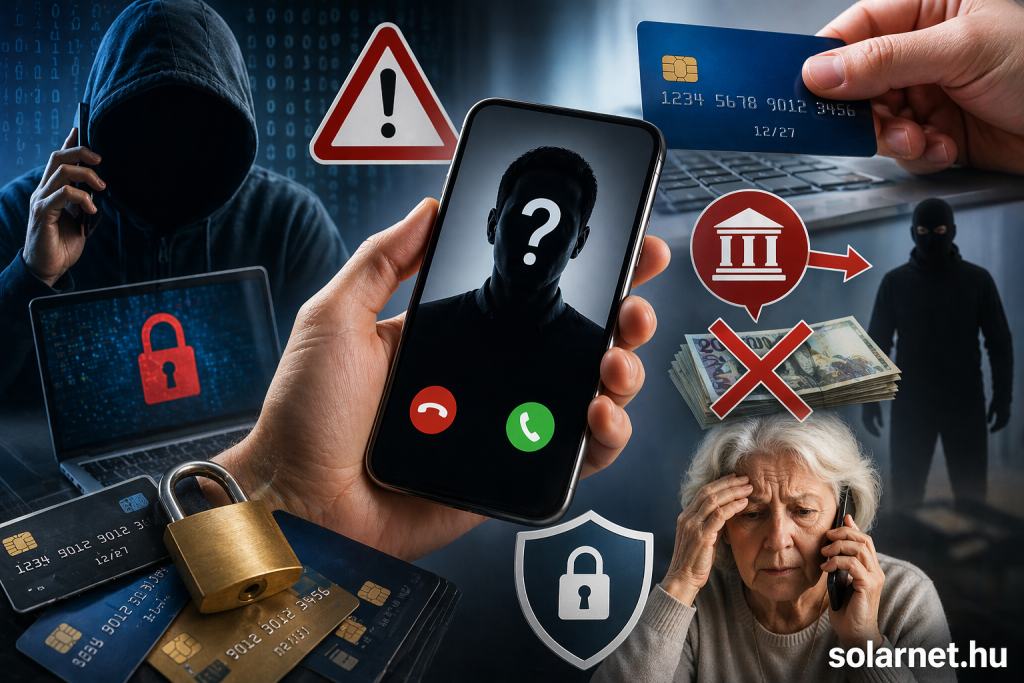
Manapság egyre gyakoribbak a telefonos csalások, és bárki könnyen célponttá válhat. A csalók sokszor banki ügyintézőnek adják ki magukat, és teljesen hihető történettel próbálnak rávenni arra, hogy érzékeny adatokat adj meg, vagy akár pénzt utalj el. Fontos, hogy tudd: ezek a hívások nagyon meggyőzőek lehetnek, de vannak árulkodó jelek, amik segítenek felismerni őket.
A csalók egyik leggyakoribb trükkje, hogy „gyanús tranzakcióra” hivatkoznak. Azt állítják, hogy veszélyben van a pénzed, és gyorsan cselekedned kell. Ilyenkor könnyű pánikba esni, de pont ez a céljuk: hogy ne gondolkodj, csak cselekedj.
Az egyik legfontosabb figyelmeztető jel, ha bankkártyaadatokat, jelszót vagy PIN-kódot kérnek. Ilyet valódi bank soha nem kér telefonon. Ha valaki mégis ilyet kér, szinte biztos, hogy csalóval van dolgod.
Gyanús az is, ha azt mondják, hogy a pénzedet „biztonságba kell helyezni”, például egy úgynevezett „biztonsági számlára” utalással. Ez nem létezik, ez egyszerűen a csalók módszere arra, hogy megszerezzék a pénzed.

Deák Ferenc 20 forintos forgalmi érme emlék változata magyarerme.hu
Előfordulhat az is, hogy arra kérnek, telepíts egy programot vagy alkalmazást a telefonodra vagy számítógépedre. Ezek az alkalmazások gyakran teljes hozzáférést adnak az eszközödhöz, így a csalók könnyedén megszerezhetik az adataidat.
A sürgetés is tipikus jel. Ha azt érzed, hogy nem hagynak időt gondolkodni, és azonnali döntést várnak tőled, az komoly figyelmeztetés. Ugyanígy gyanús, ha titoktartást kérnek, például azt mondják, ne beszélj erről senkinek.
Hogy megvédd magad, tarts be néhány alapvető szabályt. Soha ne adj meg belépési adatokat, PIN-kódot vagy bankkártyaadatokat telefonon. Ne telepíts alkalmazást ismeretlen kérésre, és ne utalj pénzt „biztonsági számlára”.
Ha gyanús hívást kapsz, a legjobb, amit tehetsz, hogy azonnal bontod a vonalat. Ezután keresd meg a bankod hivatalos elérhetőségét, és ott érdeklődj. Így biztos lehetsz benne, hogy valódi ügyintézővel beszélsz.
A tudatosság a legerősebb fegyvered. Ha ismered a csalók módszereit, sokkal nehezebben tudnak becsapni.

II. Rákóczi Ferenc 50 forintos forgalmi érme emlék változata! magyarerme.hu
E-mailes csalások – amikor nem a telefon csörög, mégis veszélyben vagy
Nem csak telefonon kereshetnek meg a csalók, az e-mailek világában is egyre ügyesebbek és megtévesztőbbek. Gyakran hivatalosnak tűnő üzeneteket küldenek, bankok, szolgáltatók, vagy ismert cégek nevében és első pillantásra szinte lehetetlen megkülönböztetni őket a valóditól. Érdemes mindig alaposan megnézni a feladót, soha ne kattints a linre, amit küldenek, érdemes gyanakodni, ha sürgetnek vagy adatokat kérnek.
Minden esetben nézd meg az e-mail feladóját!
Bármi gyanús, hívd fel a bankodat, vagy keresd fel személyesen a bankfiokot!
A bankok sosem kérnek arra, hogy
Add megadd a bankkártyád adatait!
A beszélgetés során bármilyen alkalmazást telepíts a telefonodra, számítógépedre!
Bárhova utalj pént!

Üzleti partnerei lepje meg, egy csodálatos érme szettel!
Erópai Unió Elnökség érme szett – magyarerme.hu
💎irta: Nyitrai József 2026.04.28.
💎 solarnet.hu
Don’t become a victim of phone scams – The most common warning signs to watch out for!
Phone scams are becoming more and more common these days, and anyone can easily become a target. Scammers often pretend to be bank representatives and use very convincing stories to trick you into sharing sensitive information or even transferring money. It’s important to know: these calls can sound very real, but there are warning signs that can help you recognize them.
One of the most common tricks scammers use is claiming there has been a “suspicious transaction.” They say your money is at risk and you must act quickly. It’s easy to panic in this situation, but that’s exactly their goal: to make you act without thinking.
One of the most important warning signs is if they ask for your bank card details, password, or PIN code. A real bank will never ask for this information over the phone. If someone does, you’re almost certainly dealing with a scammer.
It’s also suspicious if they tell you your money needs to be “secured,” for example by transferring it to a so-called “safe account.” This does not exist, it’s simply a method scammers use to steal your money.

Üzleti partnerei lepje meg, egy csodálatos érme szettel!
100 forintos forgalmi érme emlék változata! magyarerme.hu
They may also ask you to install a program or application on your phone or computer. These apps often give full access to your device, allowing scammers to easily obtain your personal data.
Urgency is another typical sign. If you feel pressured and they don’t give you time to think, that’s a serious red flag. It’s also suspicious if they ask you to keep the call a secret, telling you not to inform anyone.
To protect yourself, follow a few basic rules. Never share login details, PIN codes, or bank card information over the phone. Don’t install any application at the request of an unknown person, and never transfer money to a “safe account.”
If you receive a suspicious call, the best thing you can do is hang up immediately. Then contact your bank using their official contact details. This way, you can be sure you are speaking with a legitimate representative.
Awareness is your strongest defense. If you understand how scammers operate, it becomes much harder for them to deceive you.

Üzleti partnerei lepje meg, egy csodálatos érme szettel!
200 forintos forgalmi érmek emlékváltozatai magyarerme,hu
Email scams – When the phone doesn’t ring, but You’re still at risk
Scammers don’t only reach out by phone, they are becoming increasingly sophisticated and deceptive in emails as well. They often send messages that look official, pretending to be banks, service providers, or well-known companies, and at first glance, they can be almost impossible to distinguish from real ones. Always check the sender carefully, never click on links they send, and be suspicious if they create urgency or ask for sensitive information.
Always check the sender of the email!
If anything seems suspicious, call your bank or visit your local branch in person!
Banks will never ask you to:
Provide your bank card details!
Install any application on your phone or computer during a call!
Transfer money anywhere!
💎 written by: József Nyitrai 28.04.2026
💎 solarnet.hu